Whole-Body Wellness for Beginners: 4 Pillars + 7 Days
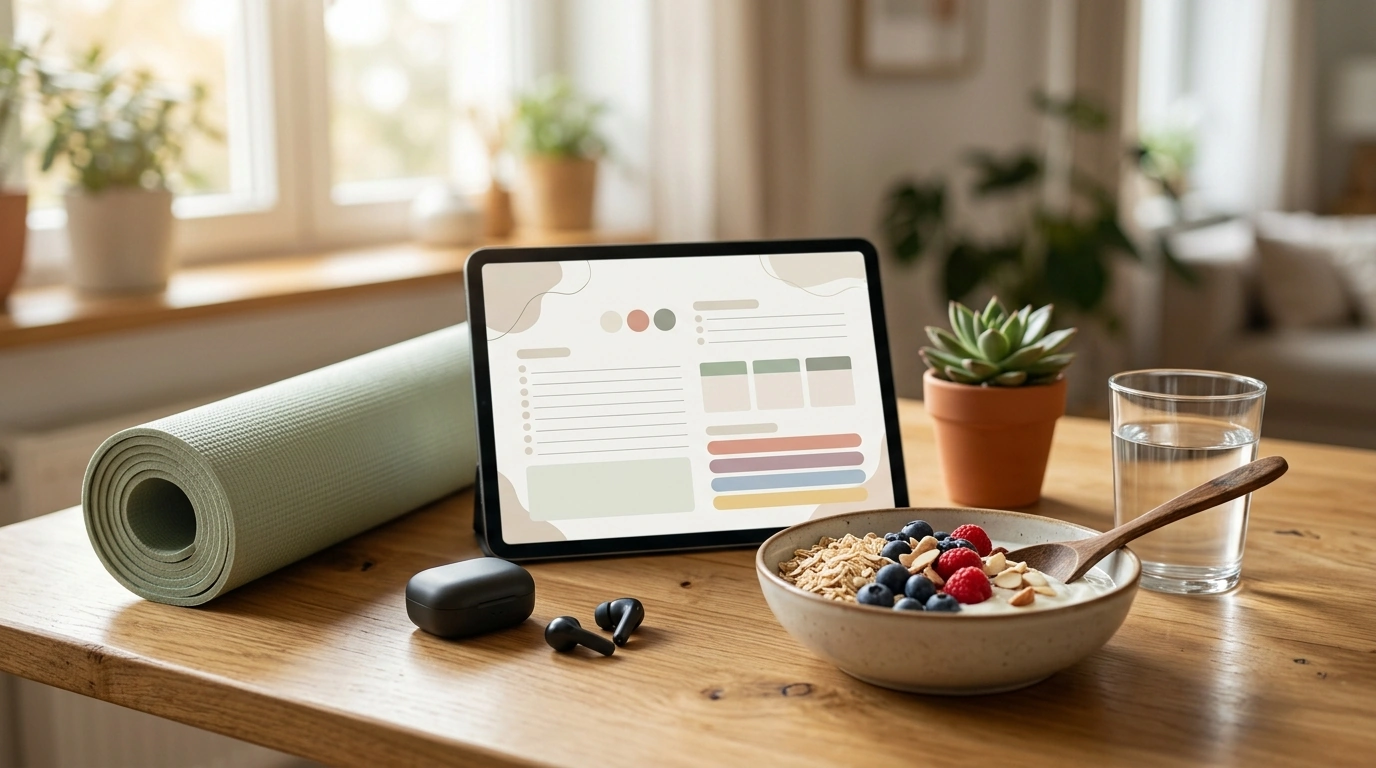
Whole You: A Beginner-Friendly Holistic Wellness Guide for Nutrition, Movement, Mindset, and Self-Care
Holistic wellness is about building steady, realistic habits that support the body and mind together—without trying to overhaul everything at once. For beginners, the most reliable progress usually comes from a simple framework: nourish with balanced meals, move consistently, care for mental health daily, and protect recovery through sleep and self-care. Whole You: Holistic Wellness Guide (digital download) is built around those pillars so you can start immediately, keep things manageable, and adjust as life changes.
What “whole-person wellness” means for beginners
Whole-person wellness connects the basics of physical health (nutrition, activity, sleep) with mental and emotional wellbeing (stress response, mood, attention, self-talk). Instead of treating wellness like a strict plan you “stay on,” it’s more like a set of skills you practice—especially on busy weeks.
For beginners, the goal isn’t perfection; it’s repeatability. Small habits that you can do even when motivation is low will beat intense bursts that leave you burned out. Over time, sustainable wellness tends to show up as steadier energy, fewer cravings, improved sleep quality, and clearer decision-making around food and routines.
If you want a science-backed baseline for what “enough” movement looks like, the World Health Organization’s physical activity guidance is a helpful reference point. The key, however, is starting where you are and building gradually.
What’s included in the Whole You digital guide
The Whole You guide is designed as a beginner roadmap across nutrition, exercise, mental health, and self-care—so your changes feel coordinated rather than overwhelming. It focuses on simple routines that can be mixed and matched (a short morning reset, a midday movement break, and an evening wind-down), plus practical prompts to spot common triggers like stress eating, inconsistency, and low energy.
Because it’s a digital download, it’s easy to keep on your phone or tablet for quick check-ins, and simple to revisit when you need a reset after a hectic week.
How the four pillars work together
| Pillar | Beginner focus | Example habit | Helpful when |
|---|---|---|---|
| Nutrition | Steady energy and fewer cravings | Build meals around protein + fiber + color | Afternoon crashes or frequent snacking |
| Movement | Consistency over intensity | 10–20 minutes of walking or a simple strength circuit | Low motivation or tight schedules |
| Mental health | Stress skills and emotional regulation | 2-minute breathing + one journaling prompt | Overwhelm, rumination, irritability |
| Self-care & recovery | Sleep and boundaries | Set a wind-down alarm and a screen cutoff | Poor sleep, burnout, difficulty relaxing |
Nutrition basics that don’t require a perfect diet
Beginner nutrition works best when it’s structured enough to reduce decision fatigue, but flexible enough to handle real life. A simple starting point is the balanced plate: include a protein source, a fiber-rich carbohydrate, and a healthy fat to support satiety and more stable energy. If you want an easy refresher on core principles, the CDC’s healthy eating resources offer practical guidance without requiring a “perfect” plan.
On hectic days, “minimum viable nutrition” keeps you moving forward. That might look like: protein + fruit/veg + hydration. For example, Greek yogurt with berries; eggs with a piece of fruit; or a bean-and-veggie bowl with a drizzle of olive oil.
Planning for obstacles matters more than willpower. Stock a few low-effort staples—frozen vegetables, canned beans, yogurt, eggs, and pre-cooked grains—so you can assemble a decent meal even when time and energy are limited. Hydration also plays a bigger role than many people expect: dehydration can mimic fatigue and hunger. Pair water with existing routines (when you wake up, with meals, after a walk) so it happens automatically.
Exercise for beginners: build the habit first
Mental health and self-care: daily actions that add up
Protect attention with one simple boundary: limit notifications, keep phone-free meals, or set a screen cutoff before bed. Better sleep supports nearly everything else, from appetite cues to mood. For deeper context on why recovery matters, the NIH’s sleep and health information is a useful overview.
For added support with planning and follow-through, a structured toolkit like the Critical Thinking & Problem Solving eBook can help you clarify priorities, reduce all-or-nothing thinking, and make routines easier to restart.
A simple 7-day starter routine (adjustable to any schedule)
Days 1–2: Set two anchors
Days 3–4: Add one mental reset + one hydration cue
Day 5: Add a short strength or mobility session
Day 6: Build a wind-down routine
Dim lights, set a screen cutoff, and do a simple stretch. If you like guided mindset support during your evening routine, consider pairing it with an audio format like Daily Affirmations for Abundant Wealth (audio course) to reinforce calm, focus, and positive self-talk while you build consistency.
Day 7: Review and repeat
Digital download tips: make the guide easy to use
Related digital tools that pair well with a wellness plan
-
Critical Thinking & Problem Solving eBook: helpful for planning, decision-making, and creating “if-then” options for busy days.
-
Daily Affirmations for Abundant Wealth (audio course): supportive for mindset work, calming routines, and consistent self-talk practice.
-
Eco-Friendly Traveler Checklist (digital download): useful if you travel and want a lightweight way to keep basic wellness habits from falling apart on the road.
FAQ
Can I download the holistic wellness Guide as a PDF?
Yes—this is a digital download, so you can typically access it right after checkout via a download link. Save it to your phone, tablet, or computer for quick reference, and print selected pages if you prefer paper check-ins.
Is this guide suitable for complete beginners with no current routine?
Yes. It starts with small, simple habits you can actually repeat, then shows how to scale up gradually without needing perfect days. The focus is consistency over intensity, with plenty of flexibility for busy schedules.












Leave a comment